
What Makes Us Human?
Source: Psychology Today
Psychologist Thomas Suddendorf argues the importance of identifying the similarities and differences between humans and other animals.


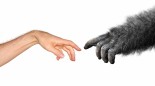
Psychologist Thomas Suddendorf argues the importance of identifying the similarities and differences between humans and other animals.

Researchers at Penn State have found that most participants in a study identified robots as male when they were presented with no gender cues, but simple alterations on the robots’ screens could strengthen anthropomorphic personalities that humans tend to give computers.

This article outlines 13 things psychologists say indicate the future success of children.

In this podcast Sarah-Jayne Blakemore, Professor of Cognitive Neuroscience, puts forward some scientific reasons about why teenagers take risks.
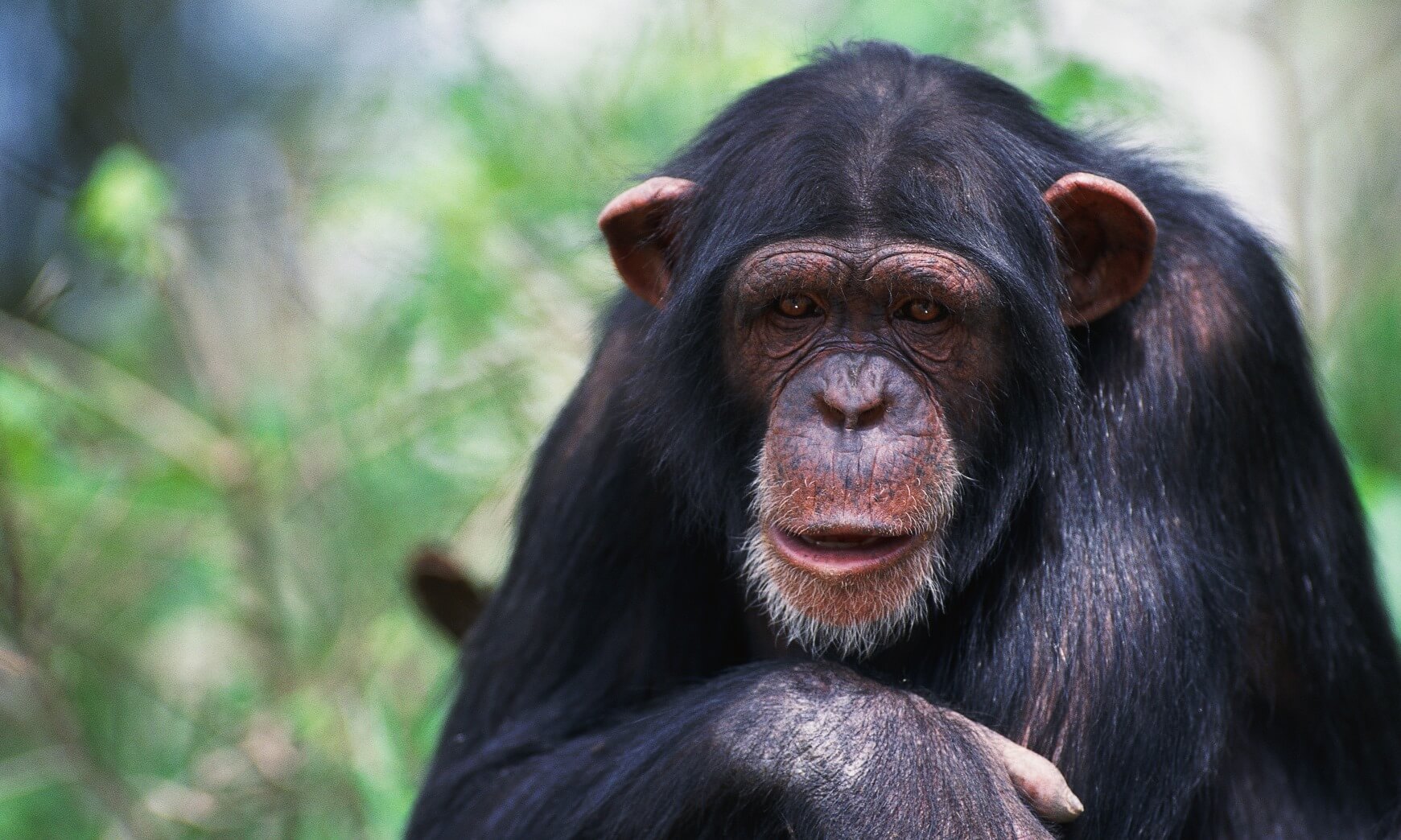
In response to movies about supersmart apes, National Geographic compiled this slideshow about how smart apes really are.
Exploring the deep sea poses many challenges for scientists. Read this article to learn about the submersible technology scientists use to study deep-water ecosystems. Click on the links to find out more about each type of submersible.
In 1894, Percival Lowell looked through his telescope and believed he saw canals on Mars. He thought they were proof of intelligent life on that planet. But were they really canals? Read about what Lowell actually saw and the effect of his theory on people’s imaginations.

In Boston’s schools, an initiative is creating outdoor spaces for learning and having great success. Students and teachers are finding that these outdoor classrooms are improving education.
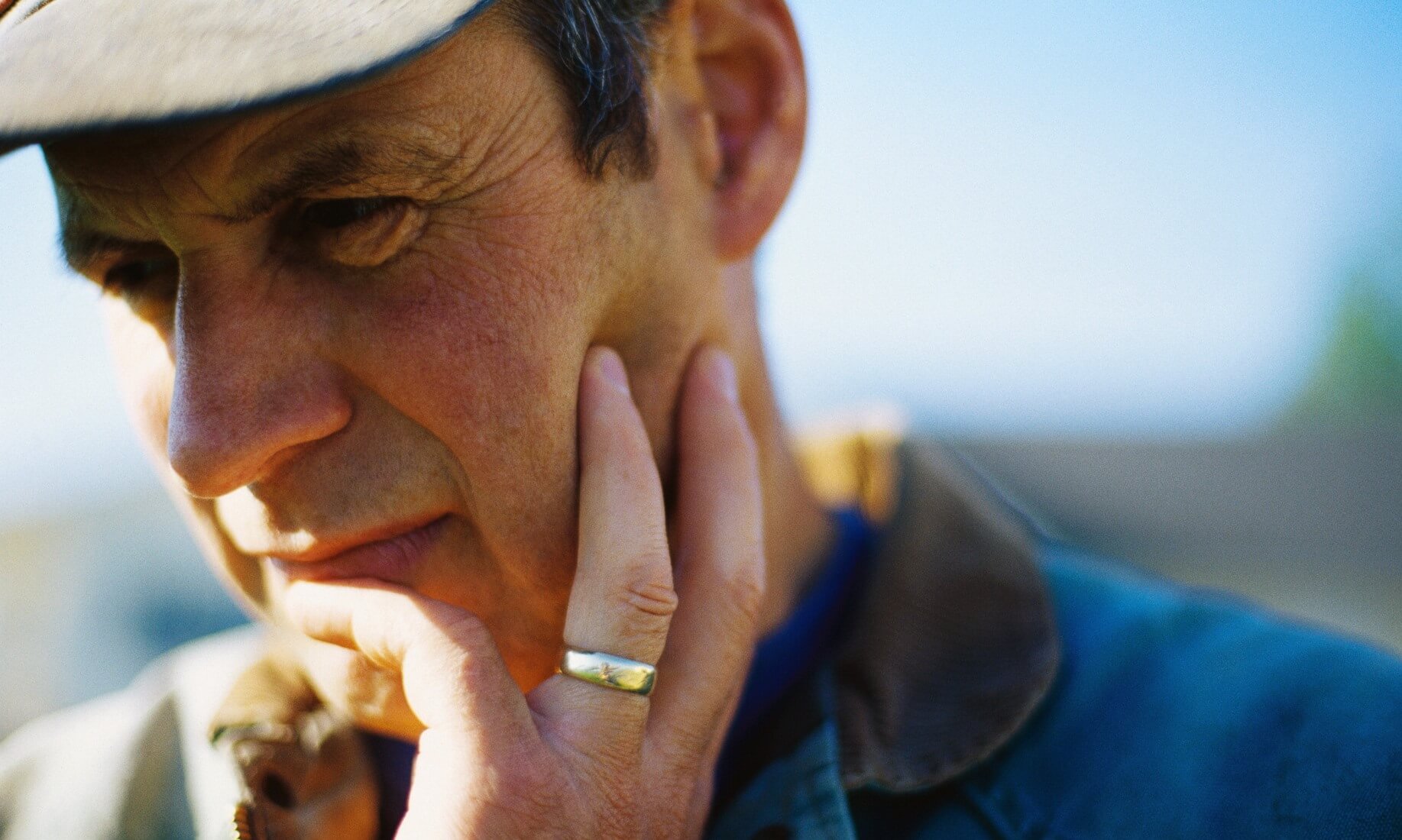
Climate change isn’t only about cars; find out what farmers are doing to help the planet.

The sun obviously affects us everyday, bringing light and warmth from 93 million miles away. But it’s not as constant and helpful as it might appear. Learn about the cycles of storms on the sun and how they affect all aspects of life on earth.