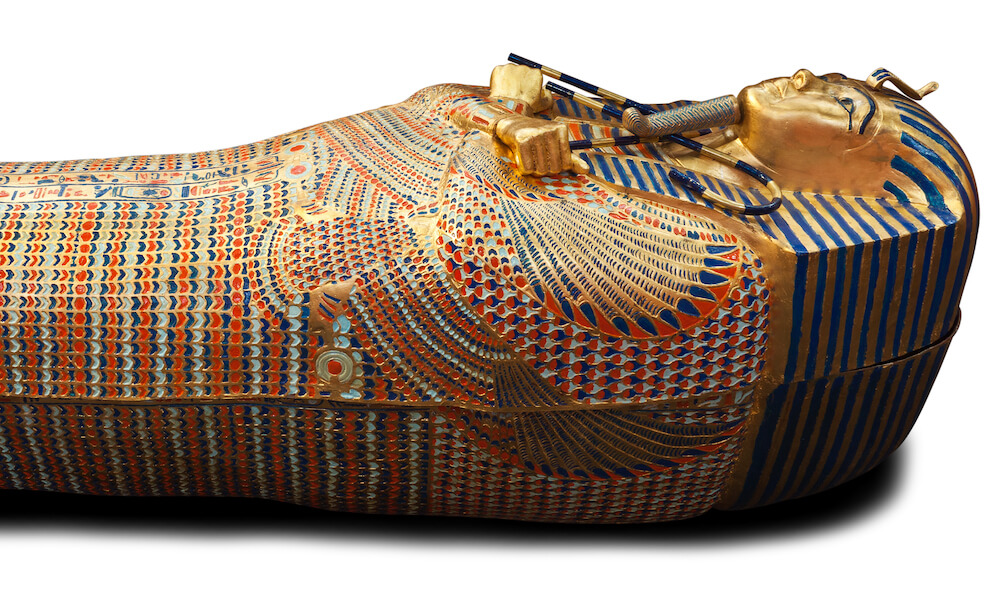

How do you make a mummy? Ancient Egyptians’ surprising formulas revealed
Source: nbc
Have you ever wondered how ancient Egyptian mummies remain so well preserved? Recently discovered jars may hold the answer.
How good are you at basketball? What about playing an instrument? Psychological research suggests we’re not actually very good at evaluating our own abilities accurately. In fact, we frequently overestimate our own abilities thanks to something known as the Dunning-Kruger Effect.
Feelings that one is a fraud who doesn’t deserve their success, known as imposter syndrome, is an extremely common phenomenon. Why can’t so many of us shake feelings that our ideas and skills aren’t worthy of others’ attention?
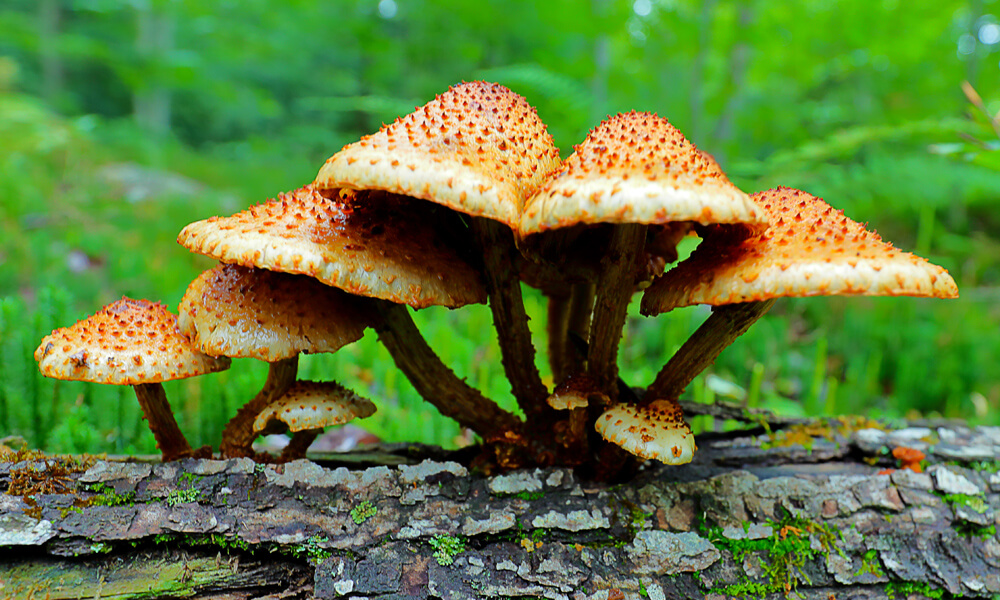
There’s been a lot of fungus talk in the news after the popular Last of Us video game became a popular TV show. In the show, people are turned into zombies by a new form of fungus that takes over their brains. And guess what? It’s real! Well, sort of–it’s only real for insects. Should we be worried? Or do fungi do more to help humans than harm them?
Scientists don’t understand exactly how rogue waves form, but they predict these types of waves will only get bigger.
Pigs are known for being highly intelligent animals, but this pig is known for her creativity, too.
Land is one thing, but is it possible to explore the very air of the past? Thanks to some forward-thinking scientists in Australia, it is!
And it is all because of the Cape Grim Air Archive, which has been capturing samples of some of the most pristine air on the planet for nearly 50 years.
Everyone knows that dog is man’s best friend, but Casper is a friend and hero to sheep as well.
We often think of cures for cancer as chemicals developed in laboratories, but nature may be the source of new remedies. Tom Phillips explains how researchers aim to tap into the medical possibilities of the Amazon rainforest—and at the same time protect this threatened environment from human development.
In this article, 17-year-old science student Sara Sakowitz shares her experience being a girl who loves science.