
Beyond Grief and Grievance
Source: Poetry Foundation
Poet and essayist Philip Metres argues that in attempt to use poetry to heal after tragedy, poets should be careful not to fall into cliché or exploitation.


Poet and essayist Philip Metres argues that in attempt to use poetry to heal after tragedy, poets should be careful not to fall into cliché or exploitation.

In this blog post, literary scholar René van Slooten argues that Poe was ahead of his time in scientific thought.
Vogue magazine book critic Megan O’Grady explains why Wislawa Szymborska’s poetry has been meaningful in her life.
Get this Israeli author’s perspective on how writing has helped him connect with others from around the globe.
Shakespeare’s great tragedy of love has been performed countless times, and each new generation gets its own film version of the play. Here is one critic’s opinion of which movie versions stand out.
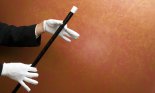
Neuroscience informs magicians’ techniques or magicians’ knowledge informs neuroscience. Well, it can work both ways according to this article. Scientists could have a lot to learn about cognitive processes…if magicians are willing to let them in on their secrets!
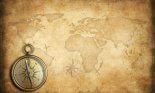
You are lost! How do you find your way? Reach for your cellphone and turn on GPS! John Huth, author of The Lost Art of Finding Our Way thinks we should allow ourselves to get lost once in a while to create a better connection with our environment. Click on the link within this article to watch a video clip of John Huth’s view on navigation without maps.

In this column, writer and critic Vinson Cunningham compares the work of Humans of New York photographer Brandon Stanton to earlier documentarians such as Jacob Riis.

Advancing digital technology has allowed architects to create unique buildings inspired by nature.
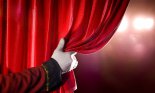
Critic Alina Cohen reviews a recent Broadway production of The Crucible and reflects on the play’s lasting themes.