
Bernice Johnson Reagon, a founder of The Freedom Singers and Sweet Honey in the Rock, has died
Source: npr
Learn more about the legacy of Bernice Johnson Reagon, remembered for her activism, musicianship, and courage.



Learn more about the legacy of Bernice Johnson Reagon, remembered for her activism, musicianship, and courage.

Though poets often draw on imagery from nature, science and poetry often appear to be set in opposition to each other. Can the world of facts mesh with the world of emotions? In this essay, poet and scientist Pireeni Sundaralingam analyzes the complex relationship between the two.

During the Gilded Age, both Cornelius Vanderbilt and John Rockefeller amassed fortunes by focusing on what they knew best.

A professor explores how a teenager who kept a diary has transformed into a symbol of what the Holocaust stole from the world.

The legend of King Arthur, the hero who saved Britain, may not be true, but it has inspired people for more than 1,000 years. Read an article about what we know of Arthur tales, accompanied by a video summing up the most famous stories.

Writer, anthropologist, and life of the party, Zora Neale Hurston, was a key figure of the Harlem Renaissance. Read this “retrobituary” to learn about her life and death.

Through hard work and dedication, Cesar Chavez created a labor union for farm workers. His intense desire to make things right came from his own struggles as a child of farm workers.
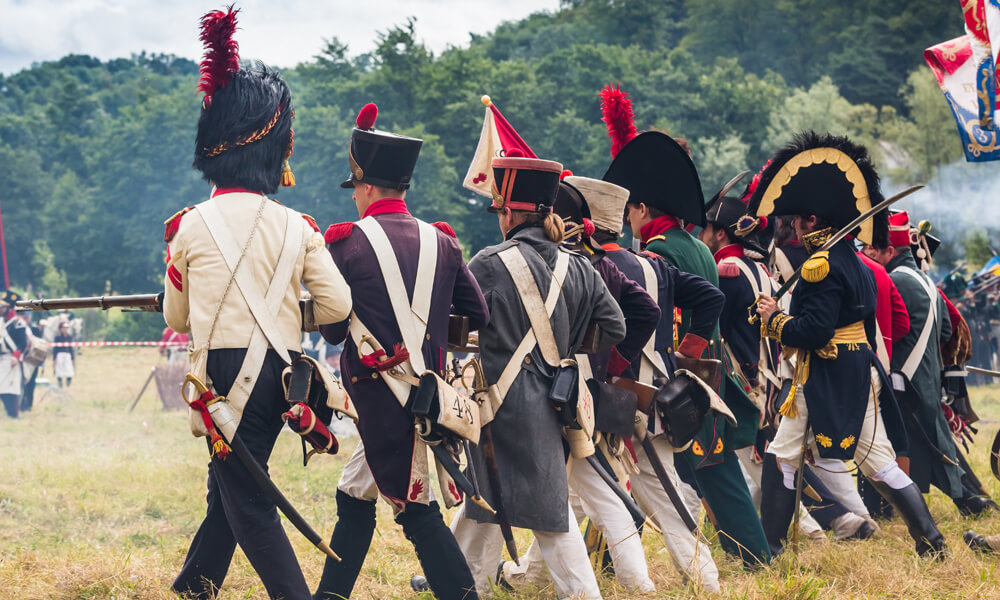
As colonists faced tough odds in the Revolutionary War, America’s first diplomat worked his charm to win France’s vital backing.
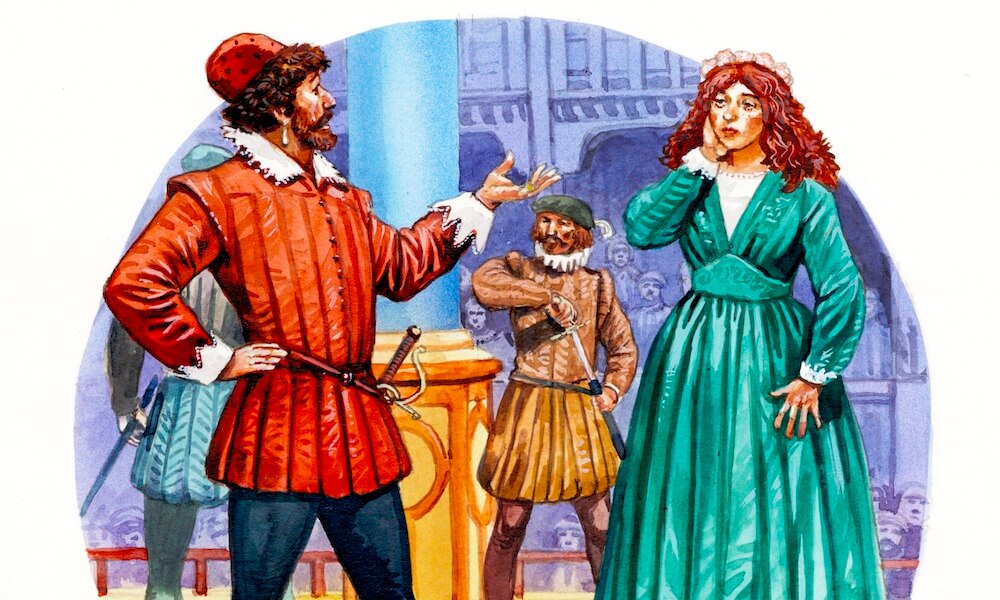
Attention, Shakespeare enthusiasts everywhere! The bard’s birthday is coming up on April 23rd. Check out this link to get some fun ideas for your Shakespeare celebration.
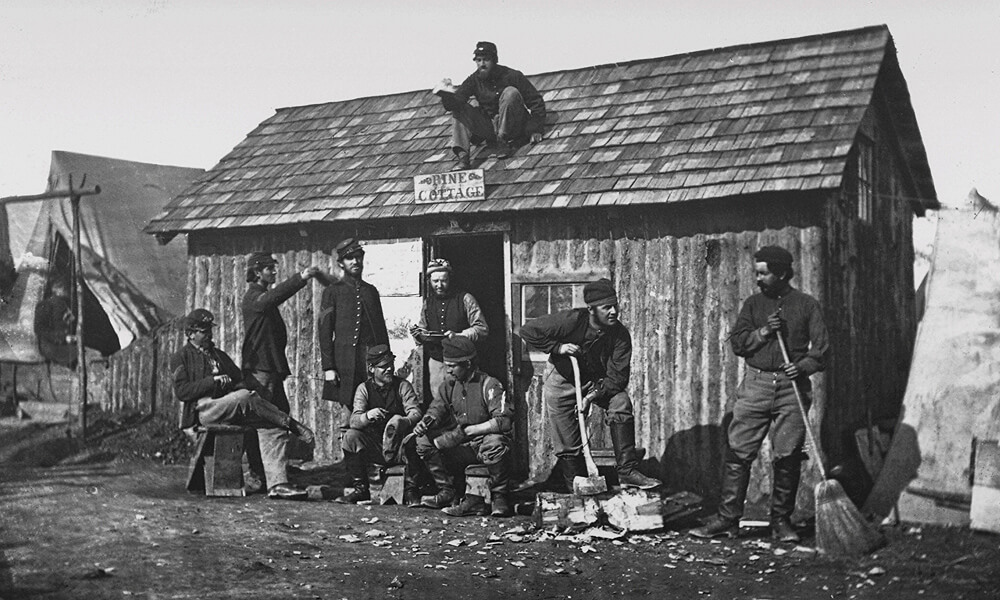
Have you ever heard of the Geneva Conventions? They are a series of treaties that define how many aspects of war are to be conducted–such as the taking of prisoners or treatment of civilians. But did you know the first modern attempt to write rules for warfare actually happened during the Civil War? They were written by Francis Lieber and issued in 1863 by Abraham Lincoln as instructions for what Union soldiers could–and couldn’t–do while waging war in the field.