
Bees May Understand Zero, a Concept That Took Humans Millennia to Grasp
Source: Smithsonian Magazine
A recent study suggests that bees may grasp the concept of zero. Read the article to learn more about what this discovery means.


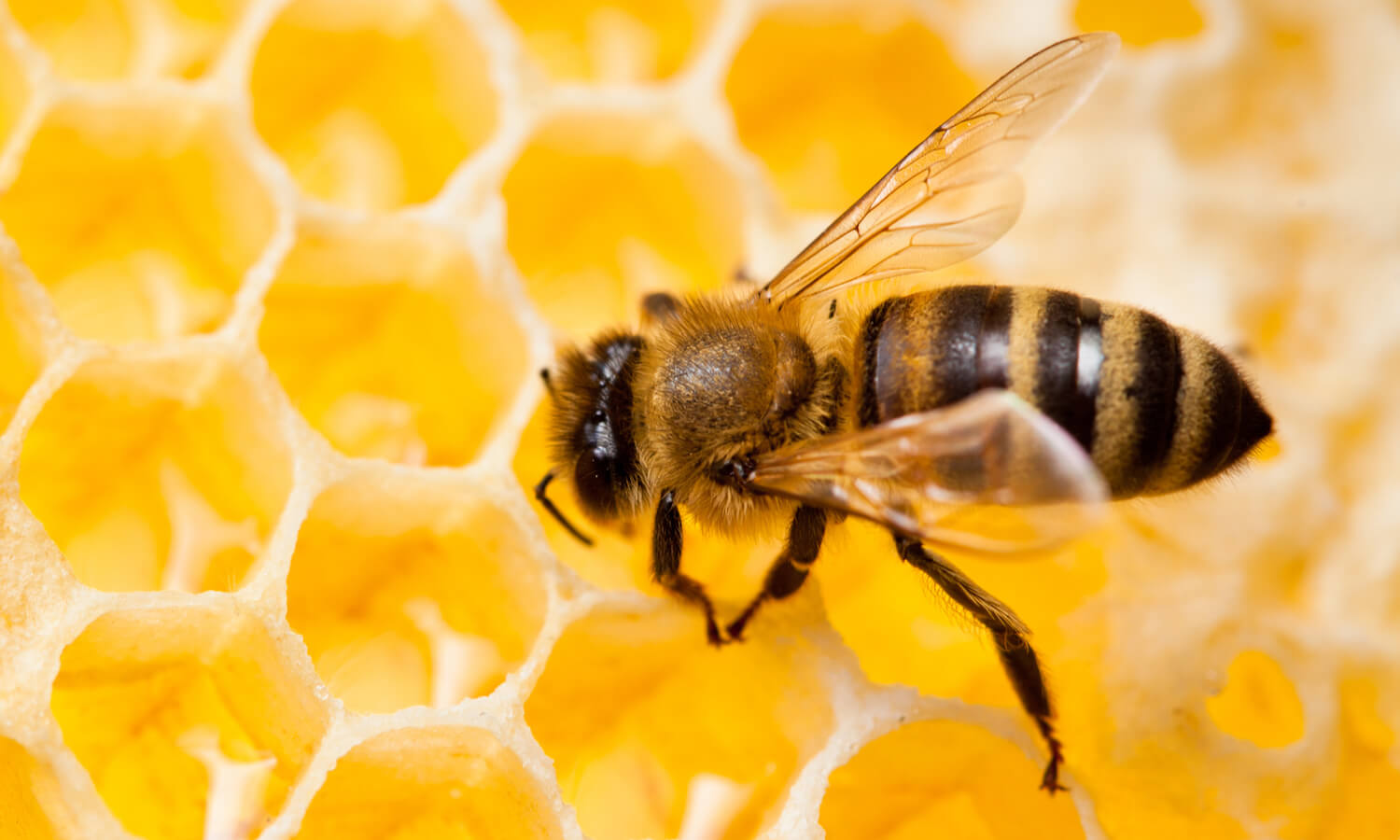
A recent study suggests that bees may grasp the concept of zero. Read the article to learn more about what this discovery means.

In Los Angeles, an anthropologist is using equations to teach police about how street gangs operate.

Romeo and Juliet fall madly in love at first sight. But does this happen in real life? Read this article to find out what researchers have discovered about your brain and love.

Shakespeare’s writing style can be challenging to read. Not only did he write four centuries ago, but he also played with language, coining new words, rearranging syntax, and using words as different parts of speech. Now, researchers have discovered that this last feature—using a noun like child as a verb instead, for example—excites the human brain because it is so unexpected.

If you really want to remember something, you take a picture of it. But a new study reveals that using that strategy may actually work against you: people remember more details about something if they don’t take a picture of it. NPR digs into the details and the implications.

Elephants travel in herds and are very social. When a fellow elephant is upset, they have a unique way of consoling it.

Do you think you know what to do during an earthquake, a tornado, or a hurricane? Many people still think these six common myths are true. Learn why they’re untrue and what you should actually do instead during these disasters.

Fear is a basic human response, but scientists still don’t completely understand it. Read about their efforts, using scans of blood flow in the brain, to further comprehend this complex reaction.

Migraine headaches can be frightening as well as painful. While there is no cure for them, scientists are finding new ways to manage them.
From cave paintings to the first written words, human beings have been making themselves “heard” for a very long time. This section of the Museum of Natural History’s website provides a quick tour of how our use of language and symbols has grown over many, many centuries.