
4 Steps to Making Better Decisions
Source: Parade
If you have an important decision to make, these four steps might help you. The most important step might be the last one listed here.



If you have an important decision to make, these four steps might help you. The most important step might be the last one listed here.
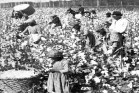
In 1833, Harriet Beecher Stowe witnessed the brutality of slavery on her first trip to the South. What she saw changed her and led to her writing her famous anti-slavery novel Uncle Tom’s Cabin, in 1852. Listen to a discussion about her legacy here.

Are you a Thrillseeker? New research shows people differ in their chemical response to thrilling situations. Read about why some of us enjoy being scared, while others don’t.

Read about, and view some of the material from, this exhibit in which student refugees and immigrants in Tuscon, AZ, explore the concept of home.

An Australian psychologist conducted a study on how personality and academic performance are linked and found some surprising answers.

In this radio piece, NPR looks back at the music written during and about the Vietnam War. Many musicians used protest songs to voice their opposition to the war.

While women still spend more hours in the kitchen than men on average, a growing number of working fathers are preparing meals.

Read about F. Scott Fitzgerald’s passion for Princeton football and how he may have influenced the game through his friendship with Fritz Crisler, the school’s head coach.

Most of us have experienced being treated as if we were less important than others, because of our age or social status or some other factor. But the people who make hiring decisions for some companies have taken notice, finding that how a job seeker treats those in service positions accurately reflects his or her character.

In 2015, the Magna Carta, one of the most important documents in English history, celebrated its 800th anniversary. The Magna Carta became the model for our own United States Constitution and Bill of Rights. Read about why we should never take a democratic society for granted, and explore the site to learn more.