
Have you ever had the exact same bad dream over and over? Some people do. It is called a “recurring nightmare.” Luckily, there are some techniques that might help break the cycle.
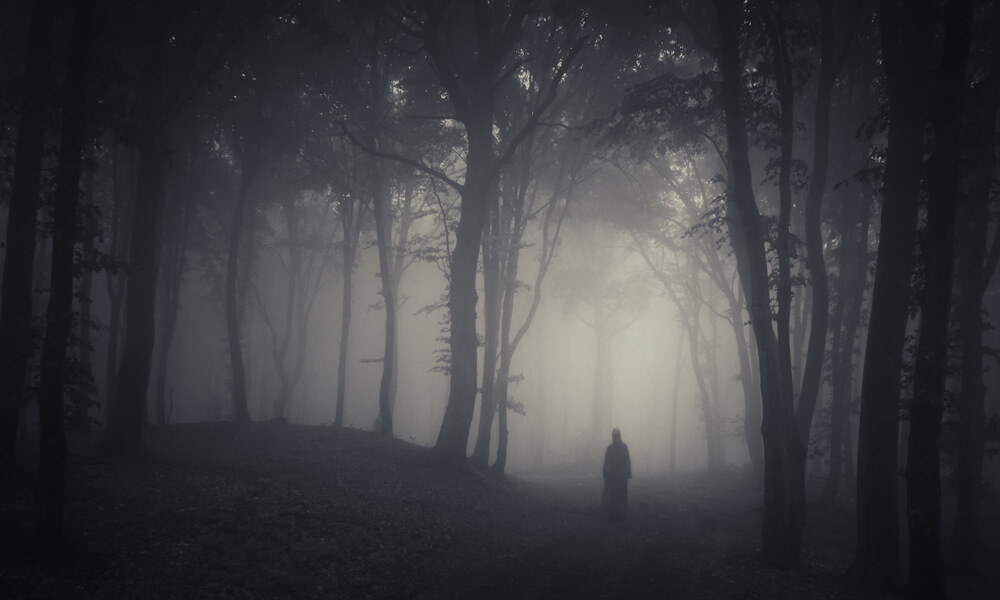
Have you ever had the exact same bad dream over and over? Some people do. It is called a “recurring nightmare.” Luckily, there are some techniques that might help break the cycle.
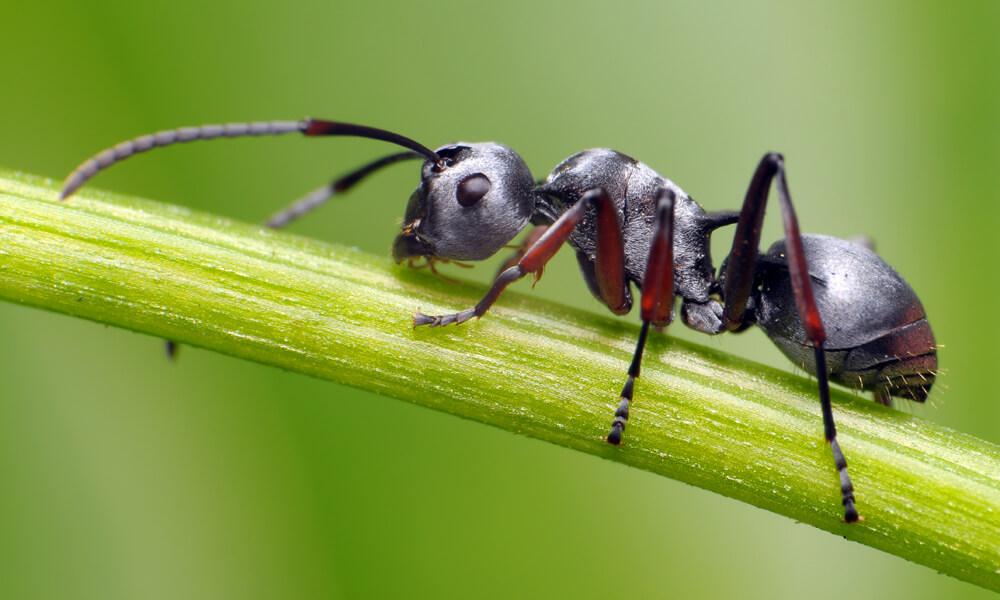
Some animals and insects are able to camouflaged themselves in various ways to help them hunt—or avoid being hunted. One assassin bug takes it to a scary new level, though. Read about the bug that covers itself in dead bodies in order to hunt its prey!

“Recognizing our accomplishments fuels motivation, growth, and success.” Read this article to learn about the importance of celebrating achievements and how the very act of celebrating can lead to greater success in the future.

In 2024, a study of nearly 10,000 random consumers in 8 countries—including the United States, Canada, France, and the UK among others—asked about the impacts of artificial intelligence on their shopping habits. Read about five key findings from the survey in this article and compare them to how you would answer the same questions.
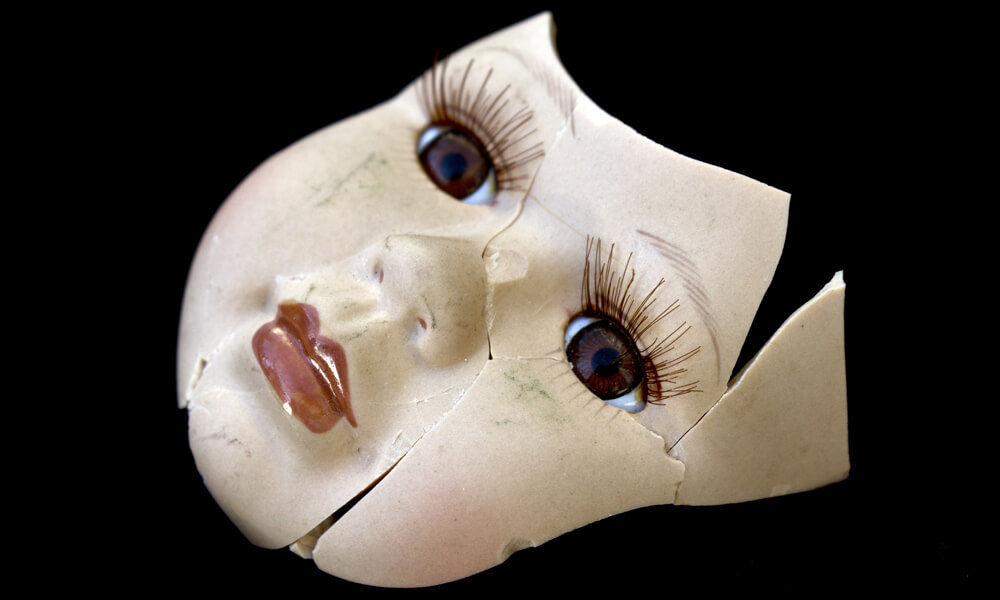
R.L. Stine, the award-winning and best-selling author of the Goosebumps and Fear Street series of books (as well as many episodes of their respective spin-off TV shows), writes an essay answering the questions that he gets asked the most: “What scares you? What are you afraid of?”
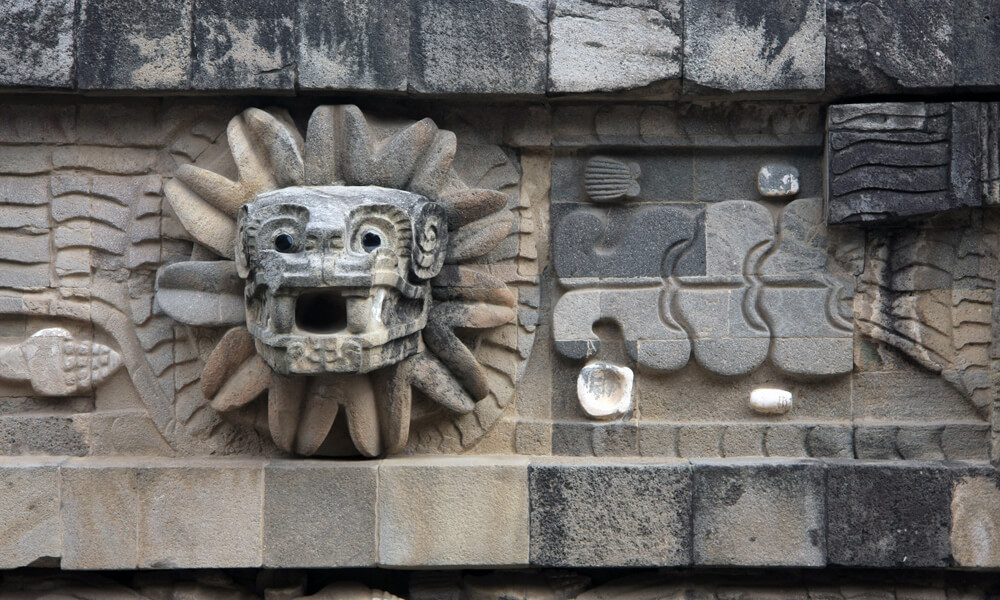
How much do you know about Aztec mythology? For many people, the gods and goddesses of this culture are something of a mystery. For example, do you know why Huitzilopochtli, the Aztec god of war, was associated with hummingbirds? Or that one of his most powerful weapons was a turquoise snake? Read this article to learn many interesting facts about the “Turquoise Prince” of Aztec mythology.
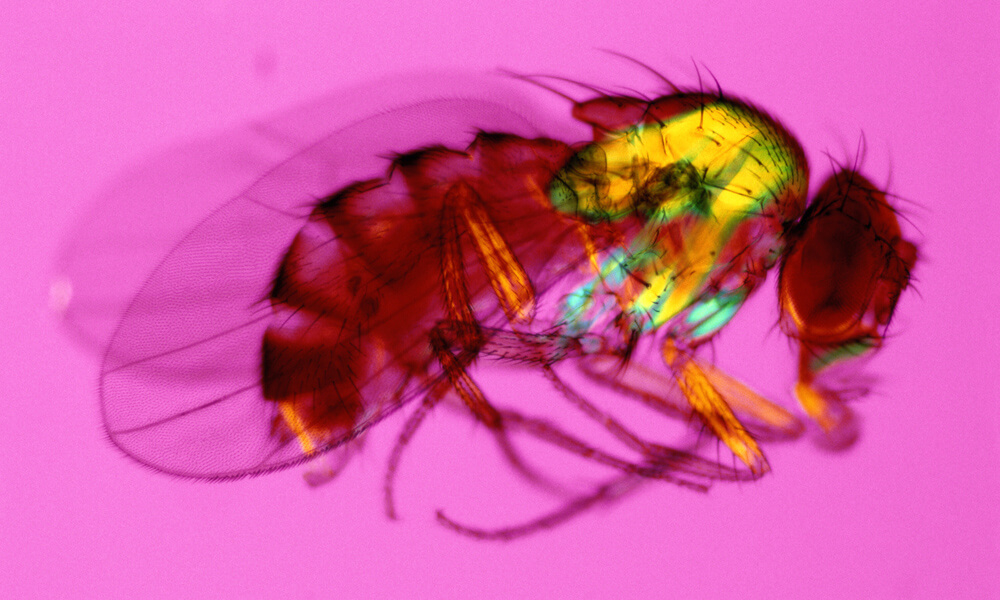
A fruit fly’s brain is only the size of a single poppy seed, but it contains a whopping 50 million connections between its neurons. With the assistance of AI, scientists have recently mapped these connections for the first time—the first time for any insect’s brain. It teaches us a lot about how a fruit fly’s brain works, but more importantly, this achievement has already begun to reveal lessons about how all brains work, including yours and mine.
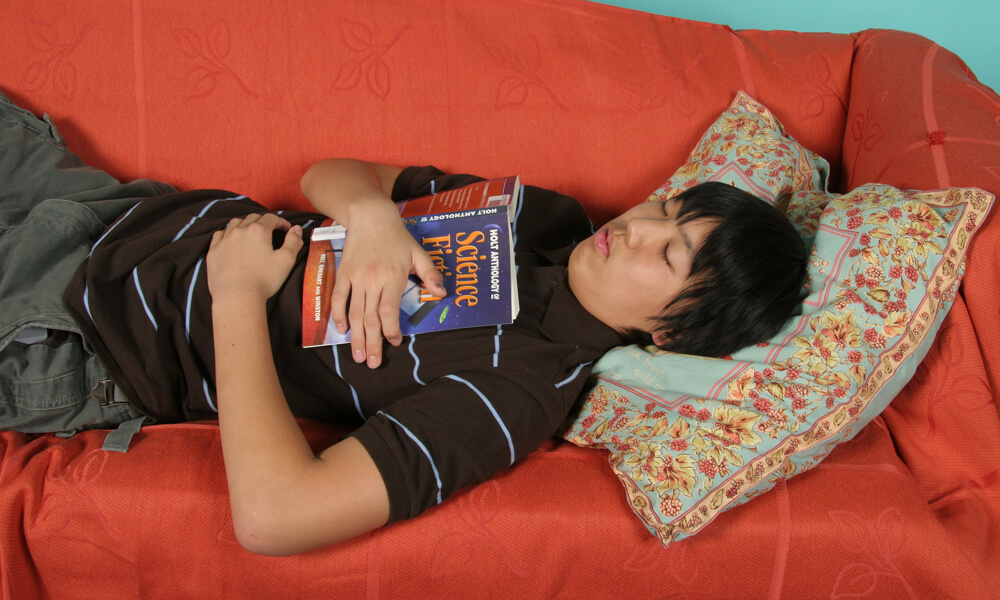
Have you ever found yourself seeing images right before falling asleep? If so, you might be experiencing hypnagogia! Learn more about what causes our pre-sleep hallucinations in this episode of SciShow, hosted by Hank Green.

From groceries to travel and from video games to shoes, it seems that just about everything is getting more expensive these days. That increase in prices is called inflation. Watch this short video to learn more about what inflation is, and more importantly, why it occurs.
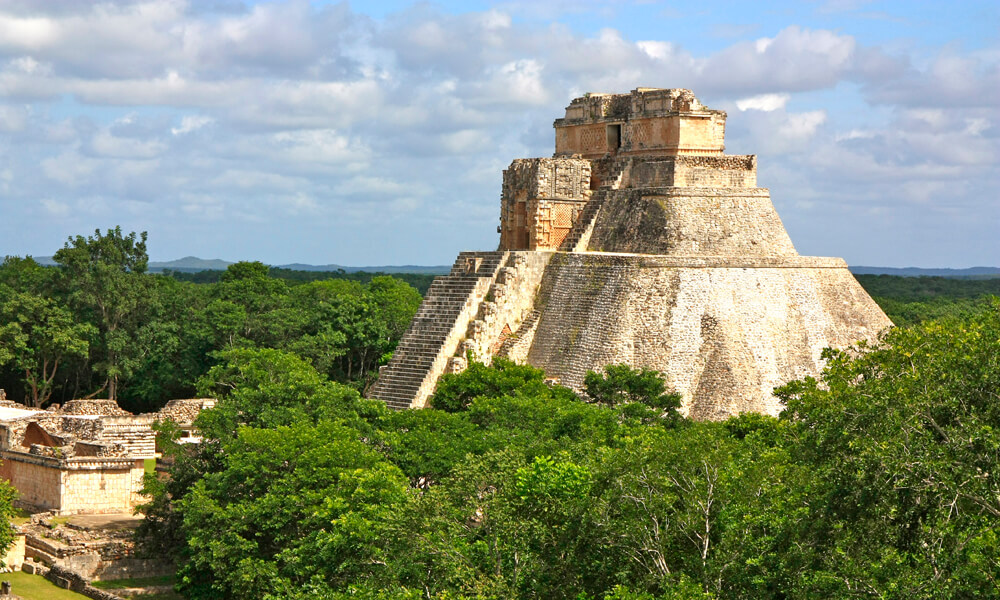
Some achievements require consistent hard work.Some happen by blind luck. But some are a combination of the two. Read this fascinating story of a PhD student who stumbled across a picture on accident, but was skilled enough in his field of study to notice something in the picture that no one else had ever seen before—the ruins of an entire city.

Before insulin was first used in the 1920s (barely 100 years ago), a patient with Type 1 Diabetes was expected to live less than 2 years after being diagnosed. After insulin, diabetics began living longer and longer. Type 1 diabetics today can expect to live into their late 60s or early 70s—but doing so requires a lot of medicine, devices, and thoughtful care. However, a new treatment option is currently being tested that may make care easier and help patients live even longer.
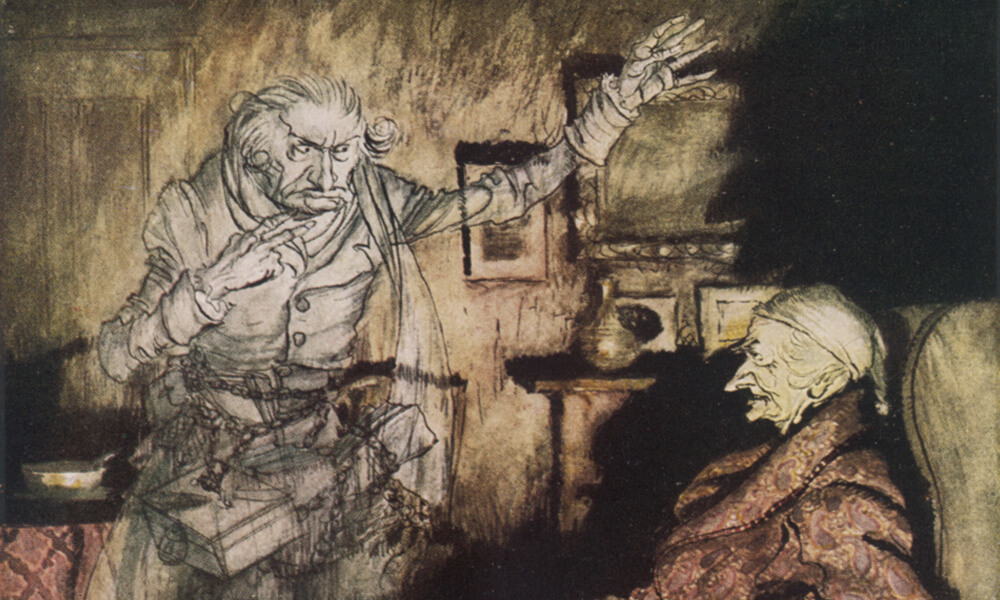
“Christmas traditions are abundant, from hanging stockings to leaving milk and cookies out for Santa. They’re all fairly wholesome, too. But in Victorian England, Christmas was an opportunity to exchange gruesome stories of ghosts, evil spirits, and people gone mad.”

If you’re looking for a few extra ways to cultivate good fortune for 2025, check out this list of New Year’s Eve superstitions that includes customs from across the globe. Make like the Danes and jump off a chair, wake to see the run rise like they do in Japan, or eat twelve grapes (no more, no less) at midnight, just as they do in Spain. This list will give you many good ideas for your celebrations!
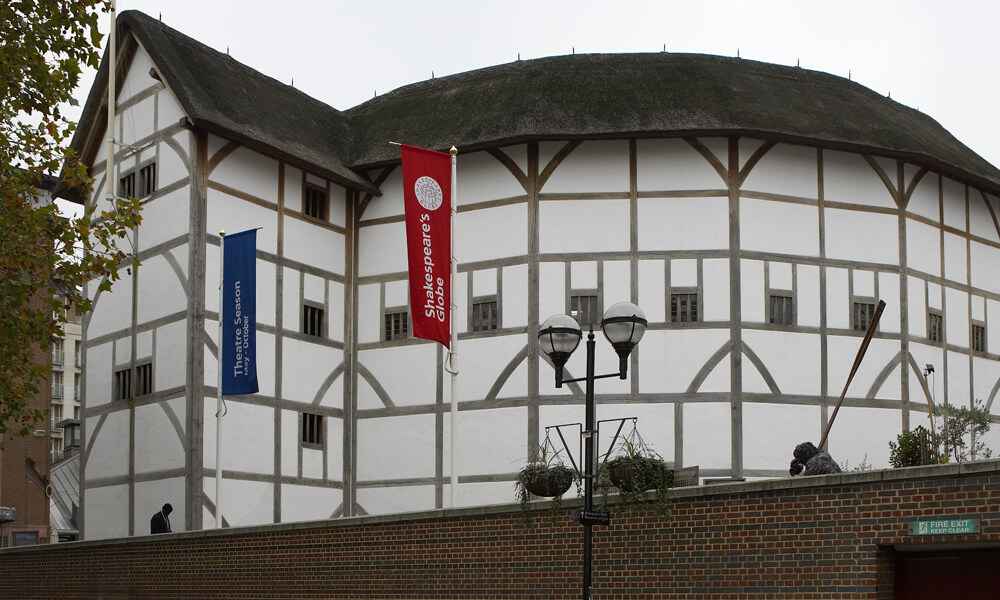
William Shakespeare is widely considered to be the greatest writer in the English language and now, thanks to modern technology, you can explore some of the most iconic places from the playwright’s life, and the locations said to have inspired him, from the comfort of your own home.

In this interview, a sociologist explains how competition among consumers—not necessarily the providers of goods and services—is what drives spending.

Studying or practicing a skill non-stop may not be the ticket to achieving your goals, according to this study.
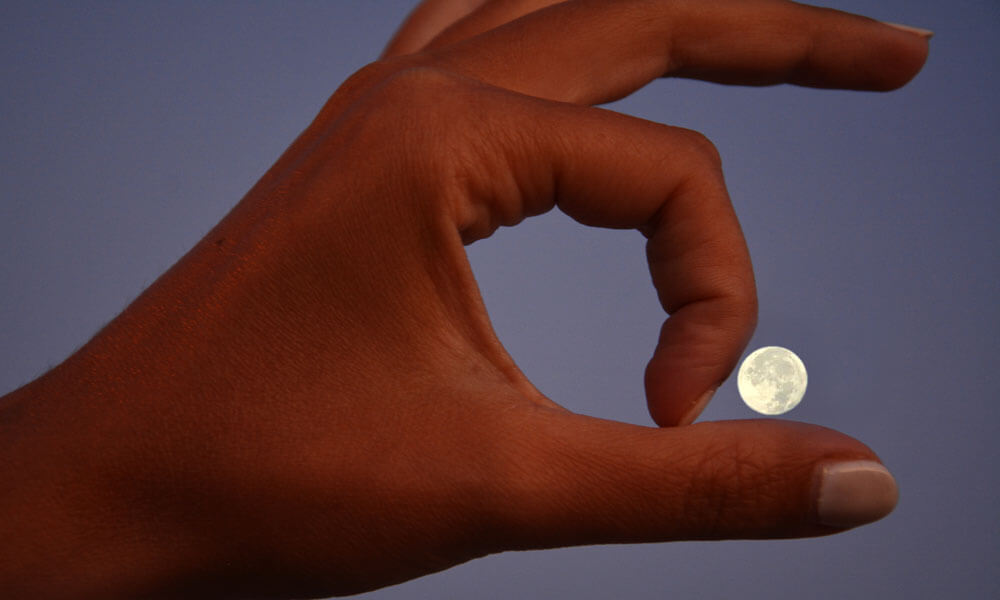
Are our minds playing tricks on us all the time? Click this link to watch an animated video that explains what perception and hallucination have in common.
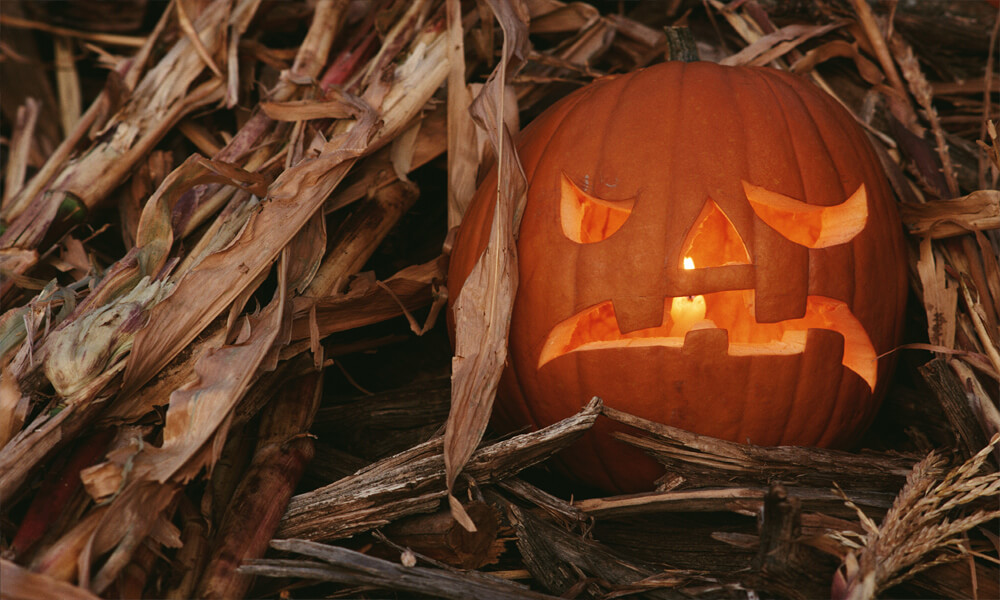
Did you know that Sleepy Hollow is a real place? And that many of the characters in the story were loosely based on real people? Take a brief tour of the area with National Geographic and learn how Washington Irving got some of his ideas for America’s most famous ghost story.

Johnny Lubin, one of the first in the world to try a new kind of medicine that uses a gene-editing tool called CRISPR to offer a potential cure for sickle cell disease.
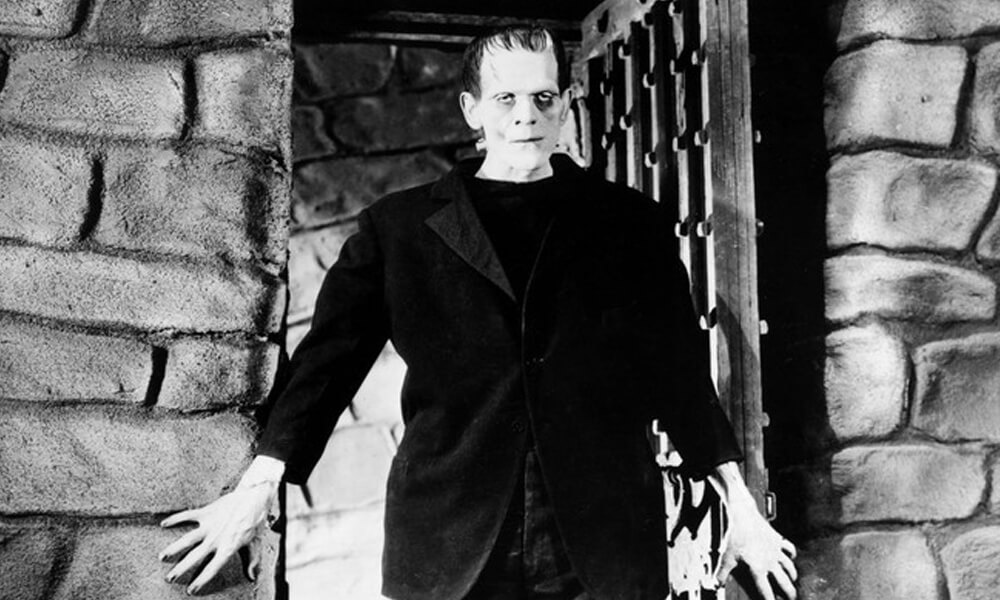
Did you know that Frankenstein’s castle is a real place? Not only that, but it throws Germany’s biggest Halloween party every year!
Thousands of people from all over come to tour the castle, dance, eat, compare costumes, and spend the spookiest night of the year in one of Europe’s spookiest locations!