
This year’s winter season has been particularly brutal for many Americans. Watch the short video and read the article that follows about best practices for surviving the cold.

This year’s winter season has been particularly brutal for many Americans. Watch the short video and read the article that follows about best practices for surviving the cold.

Read this in-depth article about the Tulsa Massacre.

Read about three African women who are contributing to space exploration programs on their home continent: a space engineer, a physicist and explorer, and a space law adviser.

Chef Ángel León is on a mission to change the way we see oceans. Read about his gastronomical innovations.

Read about different kinds of activism.
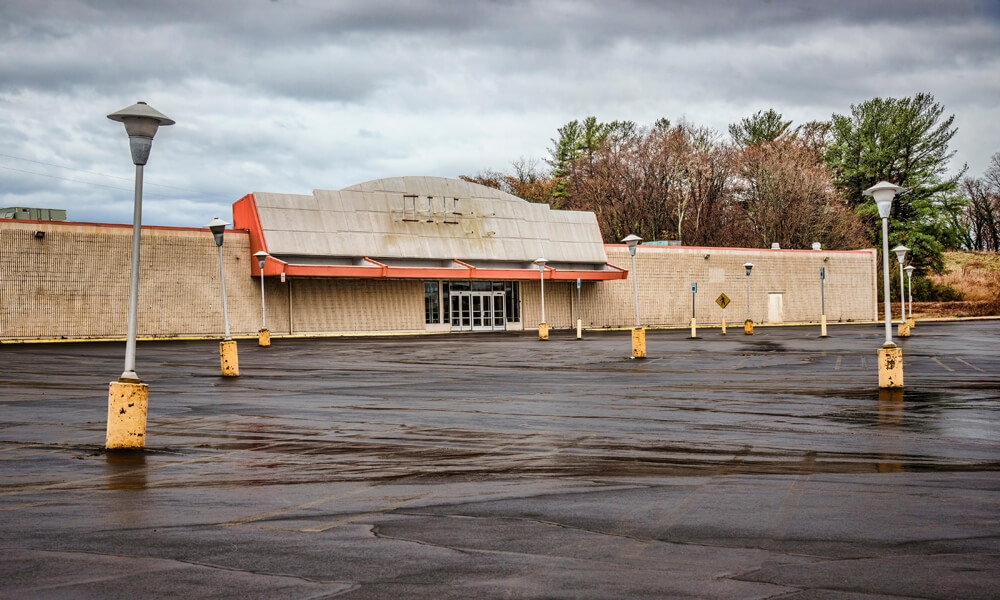
Influencers sometimes push a lifestyle of constantly buying new clothing, high-tech gadgets, or the hottest new cosmetic products. But a growing number of people are becoming disillusioned with what they perceive as pressure to constantly purchase new things. Their solution? Buying less.

Sometimes disasters strike in the strangest of ways. To get a sense of just how strange, take a look at the odd and impressive photographs that accompany this short article on sinkholes. Who’d have thought such a thing could happen—right outside our front doors?

Here’s your chance to learn about the indigenous peoples of North America; the cultures, changes, challenges, and acts of resilience.

A group of students takes a page out of their own book by writing children’s stories to reflect the variety of cultures around the world.
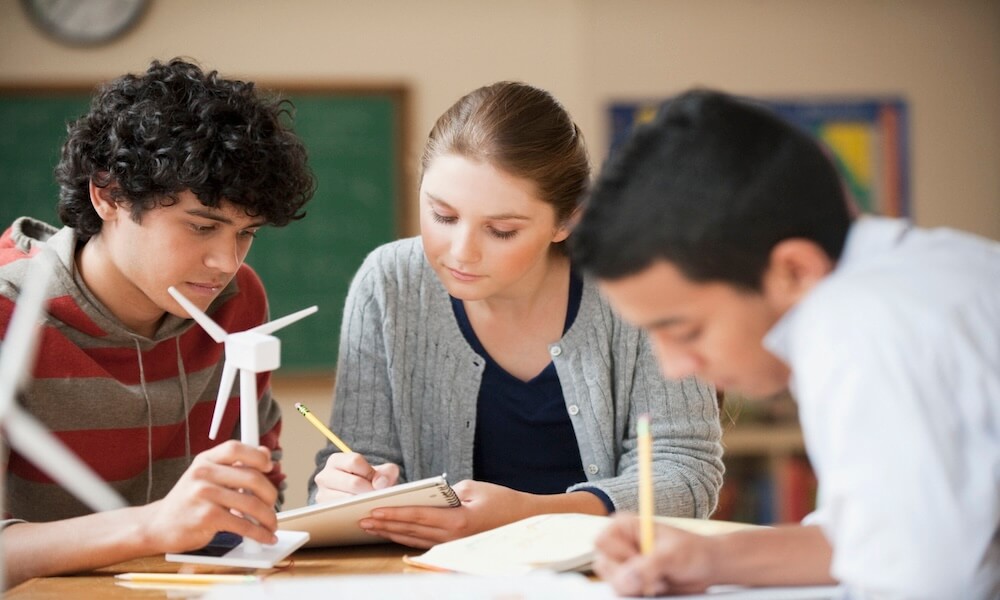
A class project motivates a student to advocate for change in their state’s education system.
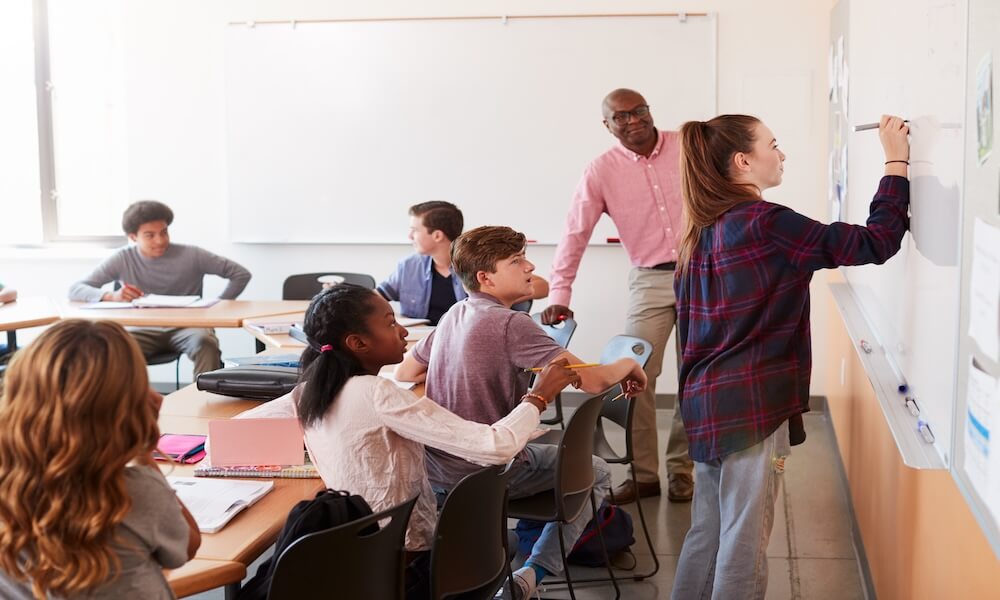
Sometimes change begins with just one person noticing a problem and deciding to take action. Meet an educator who is working to ensure their impact empowers more voices for change.

| Do the best engineers wear hard hats and use blueprints? Not always! Learn how beavers build and shape landscapes that support habitats for countless animals in Montana. |
| Pizza from a printer? Cookies made with “food ink”? It’s real, and could change the way people eat around the world. |
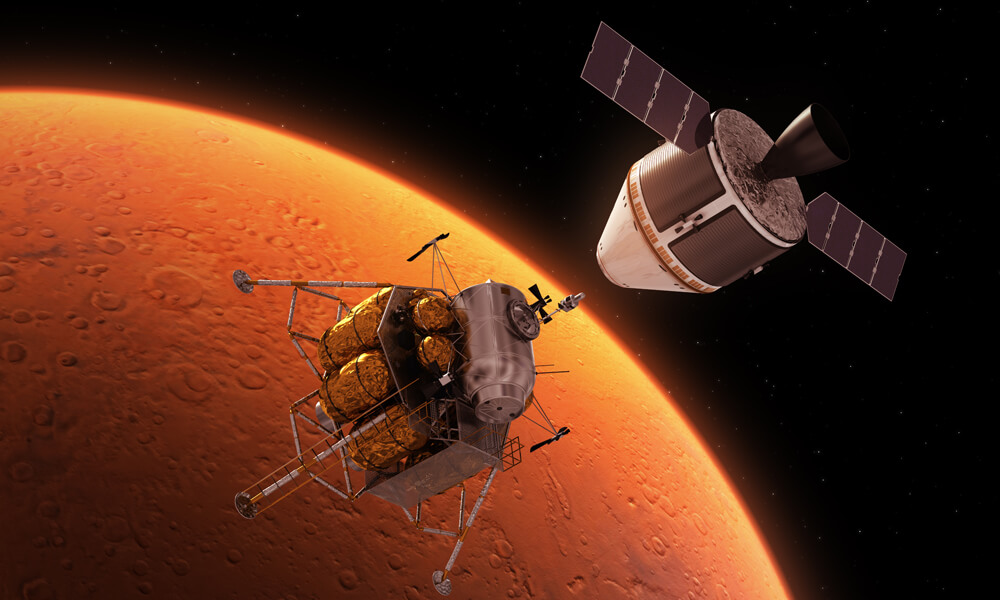
With the development of the next-generation Orion spacecraft—designed to eventually take astronauts to Mars— comes a number of all-new, advanced systems designed to track, monitor, and communicate with the spacecraft and its passengers. For NASA’s Mission Control facilities, all this additional technology meant that a brand new space was required to house the additional monitors and extra personnel. And that new space was shown to the public for the first time in late August of 2025.

Twenty-five years ago, Lego was losing $300-million annually and nearly went bankrupt. Plagued by a history of rigid, inflexible control, Lego refused to do partnerships, tried to stop fan creators, had a toy line consumers felt was stale and out-of-date, and was facing unprecedented competition for the attention of their users due to more modern toys—like home video game systems.
It wouldn’t stay that way.
Watch this video to learn how Lego finally learned to listen to its fans, signed its first partnerships, won over adults, innovated its products, and expanded its empire into TV, movies, video games, comic books, theme parks, and more—allowing it to rapidly become the biggest-selling, most profitable toy company on the entire planet.

Have you ever seen the color “olo?” Unless you are one of only five people on the planet who have, the answer is ‘no.’
Recently, researchers achieved the unusual feat of stimulating the eye in such a way as to allow it to see a color outside the range of normal human vision. This work is brand new, but scientists hope that it will lead to new vision treatments and help us to better understand how animals see the world.
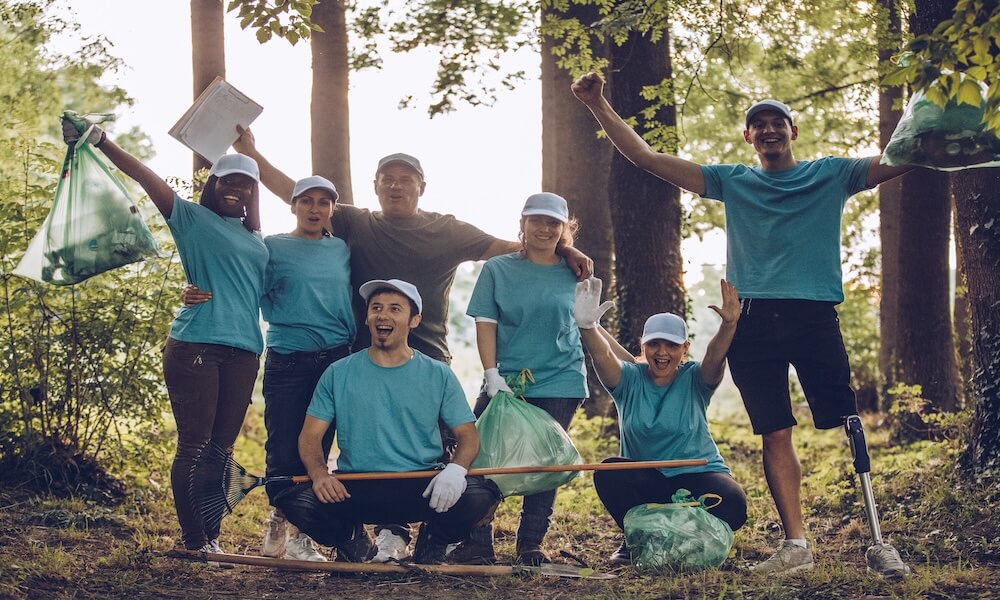
| These lawyers may not wear capes, but they became real-life superheroes in their communities by donating school supplies, mentoring families in need, and using their skills to make a big difference. |

On May 2, 1933, the newspaper Inverness Courier ran the first story of a couple who claimed to have seen “an enormous animal” splashing around in the local lake. Over the subsequent 92 years, the legend has only grown. What about you? Do you think there is something in Loch Ness? What convinced you?
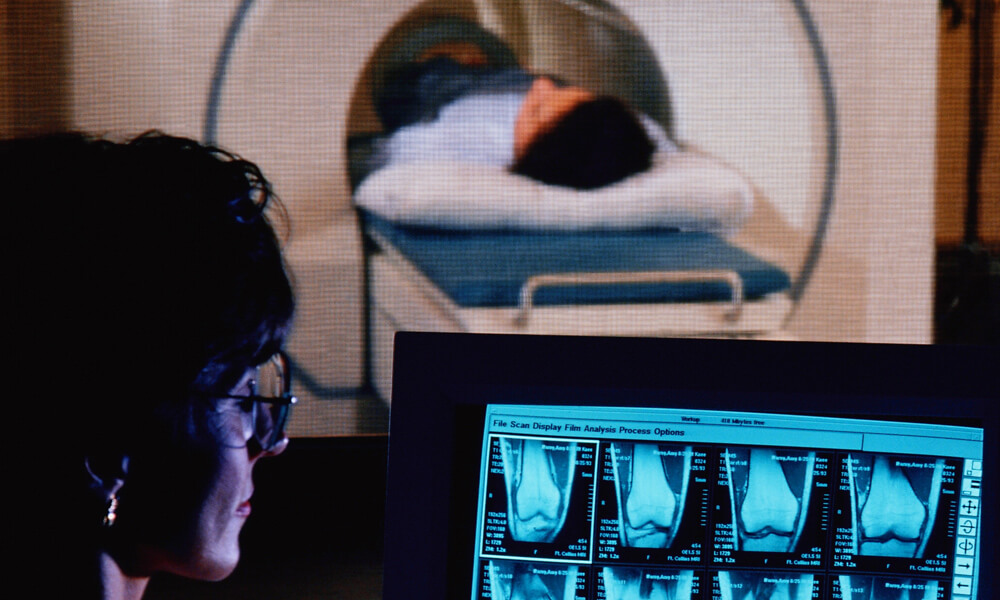
In what’s expected to soon be commonplace, artificial intelligence is being harnessed to pick up signs of cancer more accurately than the trained human eye. This latest AI model has a near 100% success rate and serves as a clear sign of things to come.

In 2024, a study of nearly 10,000 random consumers in 8 countries—including the United States, Canada, France, and the UK among others—asked about the impacts of artificial intelligence on their shopping habits. Read about five key findings from the survey in this article and compare them to how you would answer the same questions.