
Olympic track stars Tommie Smith and John Carlos were medalists in the 1968 Olympic Games. Read about their gesture of protest and its consequences.

Olympic track stars Tommie Smith and John Carlos were medalists in the 1968 Olympic Games. Read about their gesture of protest and its consequences.

In 1864, thousands of Navajo and Apache were forced to walk from their lands to a reservation about 400 miles away. In this recording, descendants of Native Americans on the Long Walk share their experiences and memories.

In his 2005 commencement address at Stanford University, Steve Jobs tells graduating students that the key to his success was finding out what he loved.
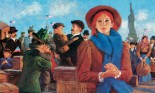
This timeline is organized into six time periods, each of which has excerpts and images from primary and secondary sources. Scan the entire timeline or choose to focus on one or two time periods for a more in-depth look at the history of immigration in the U.S.

Meet Philippe Petit, a man who said, “To me, it’s so simple that life should be lived on the edge of life.” Read his biography to learn about the risks this man is renowned for taking.

How should immigrants answer questions about their race and nationality? In this article, one Indian American explores some of the frustrations and complexities of trying to answer such questions.
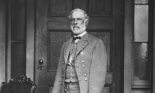
In May 2017, New Orleans took down a statue of General Robert E. Lee that had stood for 133 years. Read to learn more about the city government’s reasons for removing the statue and the public disagreement about the decision.

Read this article to learn about teenagers who have started their own successful businesses, including a boy who sells rare sneakers and a girl who sells natural skin-care products.
Teens on the autism spectrum may have trouble interacting with others. The challenge of performing improv comedy can help.

Warring families still try to stand in the way of true love today. Here’s a real-life Romeo and Juliet tale with a happier ending.

Interestingly, caves provide a great training ground to prepare astronauts for outer space. In the cave a multicultural team spend six days of training in the isolation and confinements of the underground.

Renee Zain is the creator of GoZen!–an anxiety relief program of short animated videos for kids to teens. In this blog on Psychcentral she gives some tips on how to overcome self-defeating thoughts or skewed perceptions of reality which she names “thought holes”.

What springs to mind when you think of interactive learning? Computers, apps, online tests? Think again! Last year 60 high school students in California teamed up with local volunteers from their community to create an outdoor space in which to learn, explore and enjoy.

Combining video games with a charitable cause is something that Jude Ower is very proud of. Developing Playmob was an opportunity for Jude to utilize her technology expertise to help those in need across the world, from children to pandas!
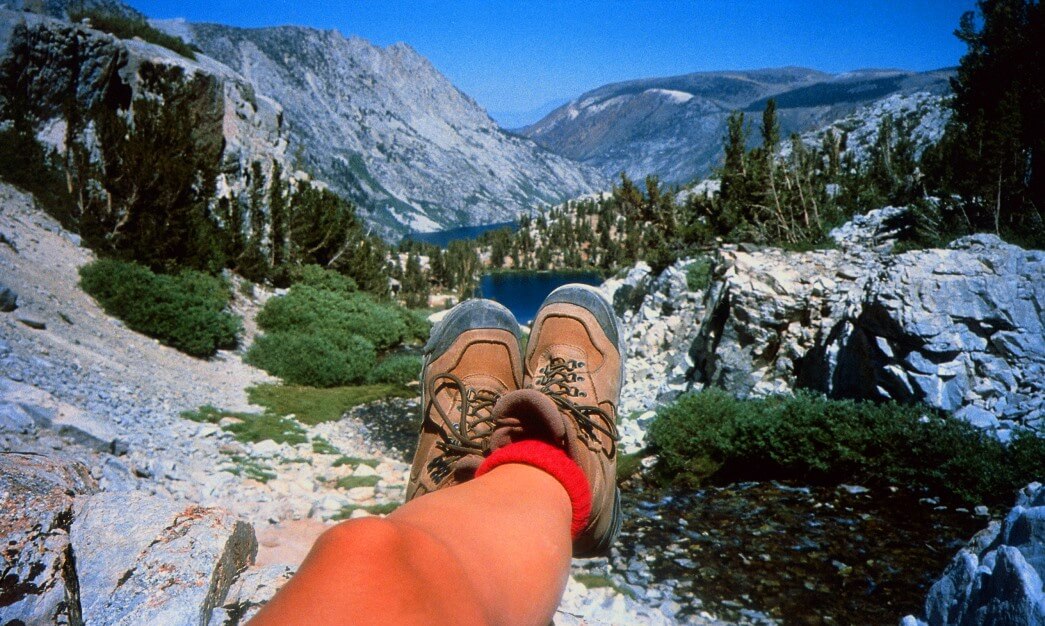
Maricruz Mosqueda–born in Mexico but a native of Colorado–takes on a solo hike through the Pacific Coast Trail in the hope of inspiring, in particular, young immigrants like herself to experience the mental and physical benefits of the great outdoors.

Read how Muhammad Ali, one of the United States’ most prominent sports figures, influenced the Civil Rights Era in the fight for equality.

PhD student Agnes Arnold-Foster talks about how distributing candy to students in various ways led to a discussion of equality and fairness.

CNN correspondent Kelly Wallace discusses her use of the word “sorry, ” as well as its use in society in general.

While scientific evidence linking music education to intelligence is mixed, psychologist Dawn Rose points to studies that indicate other successful human development.

Learn about five muckracking journalists who affected social change around the turn of the twentieth century.