
One negative effect of social media, at least for many people, is having the feeling that others are living better lives than they are. This article takes a deeper look at this phenomenon, known as the fear of missing out.

One negative effect of social media, at least for many people, is having the feeling that others are living better lives than they are. This article takes a deeper look at this phenomenon, known as the fear of missing out.

The American Psychological Association states that overcoming life’s obstacles requires resilience. Building up that trait is often a personal journey. This guide offers tips and advice to do so.

In a recent study, Stanford University researchers found that virtual reality technology can help people increase enduring empathy for others.

In this summary of Kate Tempest’s career as a rapper and poet, critic Michael Hogan praises her work.
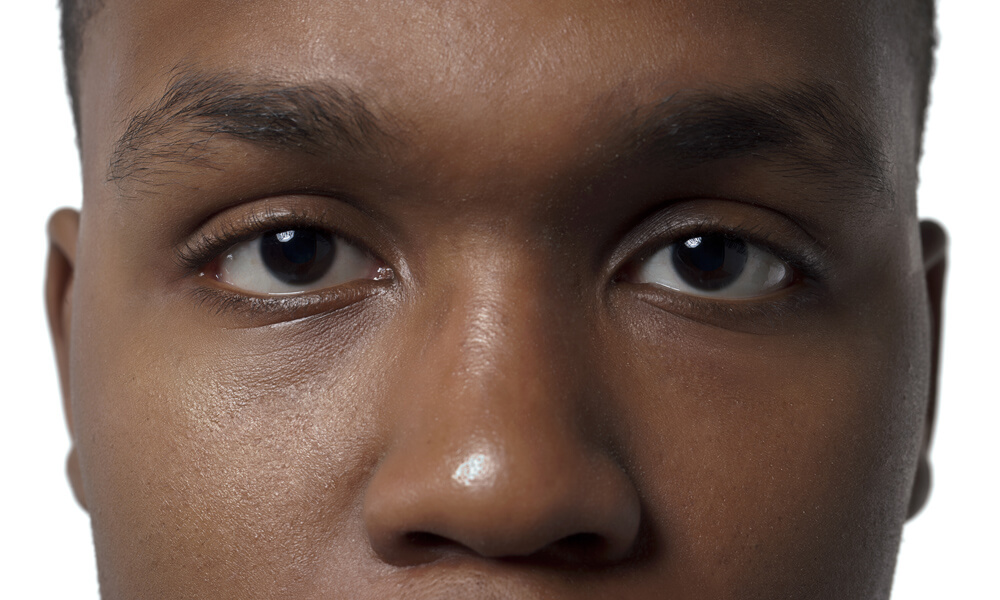
The author of this article describes his personal experience with racism and explains what he has learned from it.

In this audio clip, Paul Lo, the first Hmong American judge in the country, recalls his first days in the United States. Listen to Lo talk about his experience growing up as an immigrant from Laos.

Seventh-grader Gitanjali Rao created a lead-in-water detection tool in response to the Flint water crisis. Watch the videos to learn more about her invention.

Two hundred paragliding pilots meet annually for a difficult seven-day marathon in the sky. Watch the video to learn about the experience.

Look at the infographic for a quick breakdown of the cost to live on Mars.
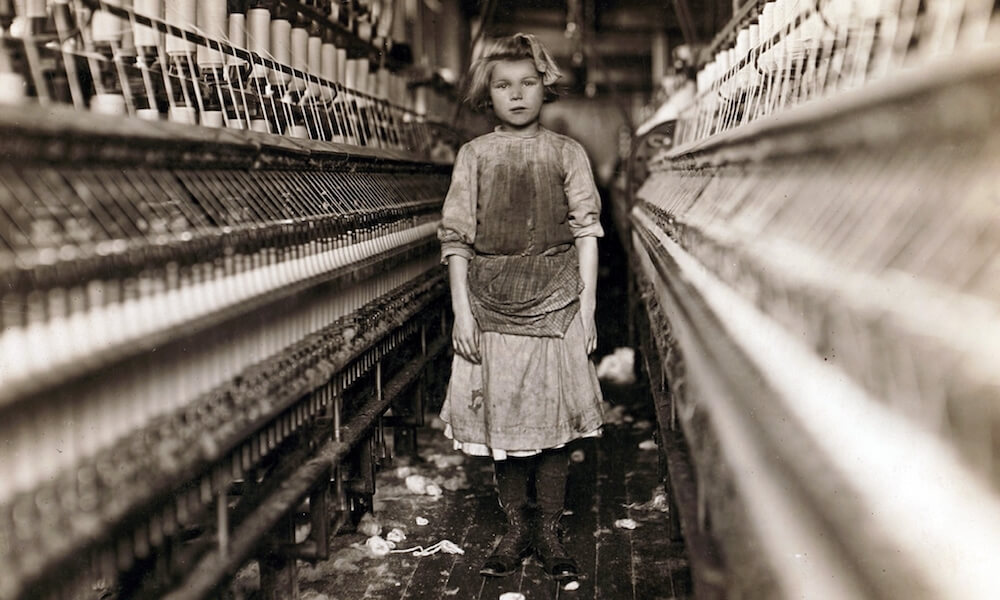
Muckrakers exposed corruption and injustices in ways that forced society to examine and confront these issues. We owe many social reforms to the efforts of these brave people.

With the help of augmented reality and an app, important women in history can now appear on any dollar bill. Read the article to learn more.

Code-switching, a means for assimilation, is at the forefront of a larger discussion about race and culture. Laughter, it seems, may be one of the traits people change to fit into the larger scheme of society.

Read about companies trying to make food sustainable for us and our environment.
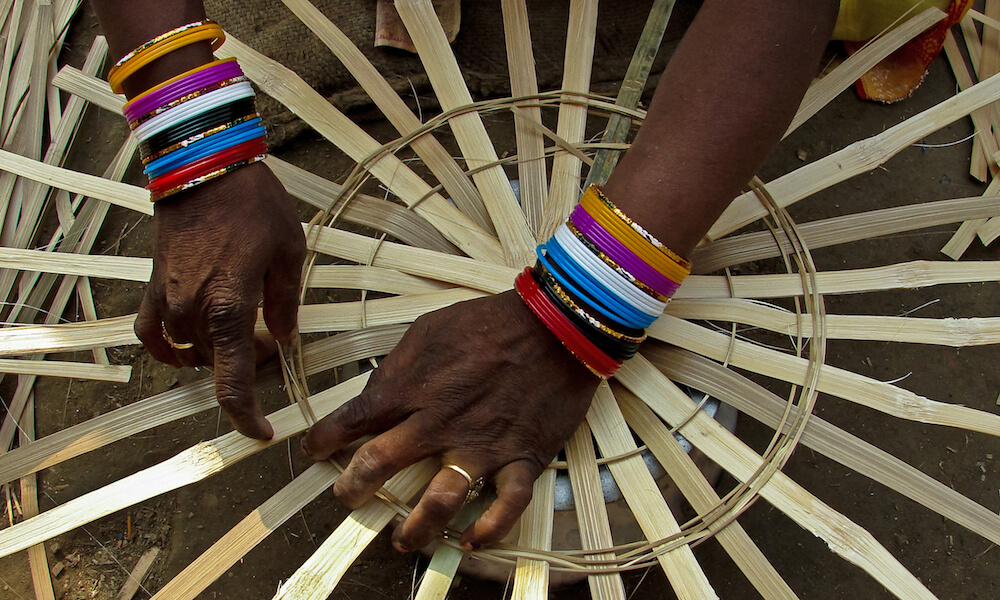
The Gullah Geechee’s culture and way of life is threatened by gentrification and land development. Customs such as fishing and basket weaving are at risk of being lost.
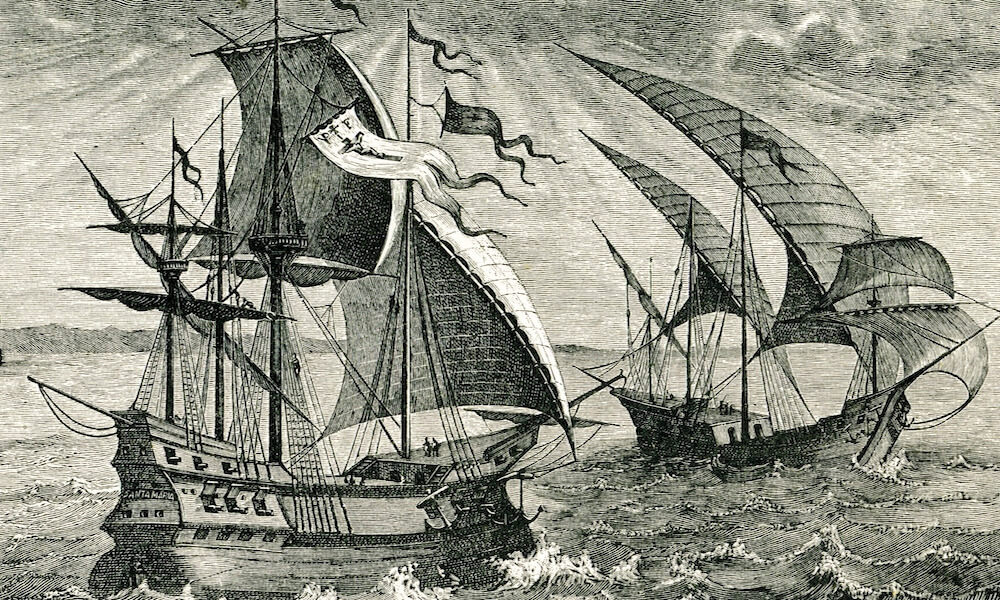
Conquistadors made their way to America in search of wealth and glory. However, their experiences and the experiences of those they encountered were anything but glamorous.

What do you have in common with heroes in literature, movies, and television? It may be more than you think. Watch this short video to learn about the the hero’s journey myth.

Author Doug Sundheim was surprised when he realized his book, Taking Smart Risks, included far fewer stories about women. In this article he investigates how that happened.

The cultural differences between regions in the United States are as pronounced as the geographical ones. But how can we explain and describe the differences in attitudes, customs, and behaviors between states? This article describes one potential framework.

As tensions in Europe grew before the United States entered World War II, one well-off American couple decided to take action. Learn about the challenges and dangers they faced to rescue 50 Jewish children from the Nazis.

In 1963, civil-rights activist Medgar Evers was murdered in his driveway by a white supremacist. Evers’s widow, Myrlie Evers-Williams, has carried on his legacy and spoke recently about the civil rights movement and her hopes for the future.